Nutritional Guidance
Chinese medicine nutrition in Silver Lake, Los Angeles. Recommendations built around your constitution, your current pattern, and what you actually eat, not a one-size protocol.
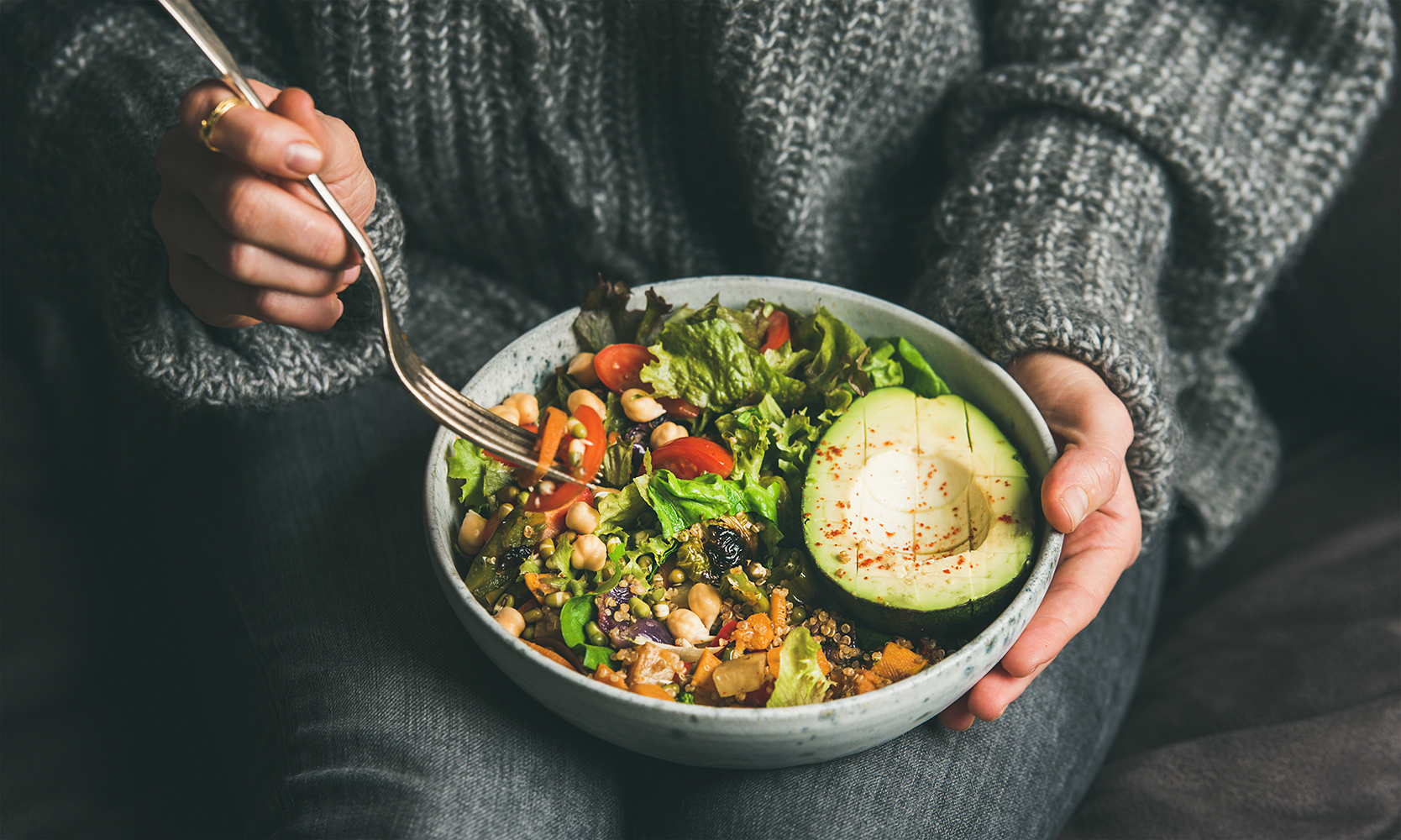
The same food, prescribed for your pattern.
Long before “functional medicine” entered the conversation, Chinese medicine treated food as one of its primary tools. Every ingredient is understood not just by its nutrients but by its energetic qualities, warming or cooling, drying or moistening, building or clearing, and matched to the person eating it. Nutritional guidance here is the clinical application of that framework: not a diet handed to everyone, but recommendations built from your constitution, your current pattern, and what you actually eat day to day.
This is why two people with the same complaint can leave with very different advice. A body running cold needs warming, well-cooked, nourishing foods; a body running hot needs cooling, lighter ones. Someone with weak digestion is steered away from too much raw and cold, however “healthy” a salad looks on paper. The recommendations follow from the diagnosis, the same diagnosis behind your acupuncture and any herbs, so every part of the plan points in the same direction.
It’s also deliberately practical. Rather than a restrictive overhaul you’ll abandon in three weeks, the work is additive and incremental, what to favor, how to prepare it, when to eat it, woven into the way you already cook and live. Small, sustained shifts are what actually compound into better digestion, steadier energy, and more resilient hormones over time.
The mechanism, broken down.
From diagnosis to dinner, three steps that turn a Chinese-medicine pattern into food you’ll actually eat.
Constitution mapping
Your underlying constitution determines which foods nourish you and which quietly work against you. We identify it from your case history, your pulse, and your tongue.
Pattern-matched diet
Recommendations target your current pattern, digestive heat, blood deficiency, qi stagnation, with specific foods, preparation methods, and timing matched to it.
Integration, not overhaul
We build from what you already eat. Small, sustained shifts compound; restrictive diets that don’t fit your life don’t last, so we don’t prescribe them.
Common reasons patients use it.
Dietary guidance is part of nearly every care plan, and the primary focus for patients who come specifically to address these patterns through food.
What you can expect from it.
Why food earns a place in the plan, not just a footnote.
Personal, not one-size
Your recommendations are built from your constitution and current pattern, which is why they can differ completely from whatever diet is trending.
Works every day
You eat several times a day, every day, so even small, well-aimed changes accumulate into real, durable shifts in how you feel.
Sustainable by design
We work within your life and your existing way of eating, favoring additions and adjustments over restriction, so the changes actually stick.
Reinforces the rest of your care
Food guidance follows the same diagnosis as your acupuncture and herbs, so every part of the plan is pulling in one direction.
Is this right for you?
Nutritional guidance fits some goals better than others. The general picture:
A good fit if…
- You have a digestive, hormonal, sleep, or energy pattern that food clearly influences
- You’re preparing for conception, pregnancy, or postpartum recovery
- You feel lost in conflicting diet advice and want guidance built around your body
- You want sustainable, additive changes rather than another restrictive plan
- You’d like your diet to reinforce your acupuncture and herbal care
Not the right tool if…
- You’re looking for rapid weight loss or a calorie-counting program, that’s not what this is
- You have an eating disorder, this work should be done with a specialized clinical team, not in its place
- You need management of a complex medical nutrition condition that requires a registered dietitian or physician
- You aren’t able to make any changes to how you currently eat
Chinese-medicine nutrition complements conventional dietary and medical care, it doesn’t replace it. If you’re managing a condition like diabetes or kidney disease, or working with a dietitian, we coordinate rather than contradict.
Practical questions.
A first visit answers it.
An initial consultation of up to 90 minutes determines whether this modality is part of your plan, and what else might pair with it.